Get Tile Ceiling Installation
Local contractors can install tile ceilings to improve aesthetics, conceal imperfections, or update ceilings in residential and commercial projects.
If you’re considering tile ceiling installation, you’re in the right place to explore your options. Property owners often look into this upgrade to enhance interior aesthetics, improve acoustics, or add a durable finish to ceilings in residential or commercial spaces. Planning a project like this involves comparing local contractors who specialize in ceiling installations, ensuring you find professionals with the experience and skills to meet your needs. Continuing to browse can help you gather the information needed to make informed decisions about your space.
Local contractors who offer tile ceiling installation services can provide a range of solutions tailored to various property types and design preferences. Whether updating an existing ceiling or creating a new look, property owners find value in exploring available services to identify the right professionals for their project. Keep reading to learn more about how local service providers can assist in achieving your ceiling renovation goals.
- Suspended Tile Ceiling Installation - needed when upgrading or replacing existing drop ceilings in commercial or residential spaces.
- Acoustic Tile Ceiling Installation - ideal for improving sound absorption in offices, studios, or home theaters.
- Decorative Tile Ceiling Installation - suitable for adding aesthetic appeal to living rooms, lobbies, or retail environments.
- Recessed Tile Ceiling Installation - used when seeking a sleek, integrated look for modern interior designs.
- Water-Resistant Tile Ceiling Installation - necessary in areas prone to moisture, such as bathrooms and kitchens.
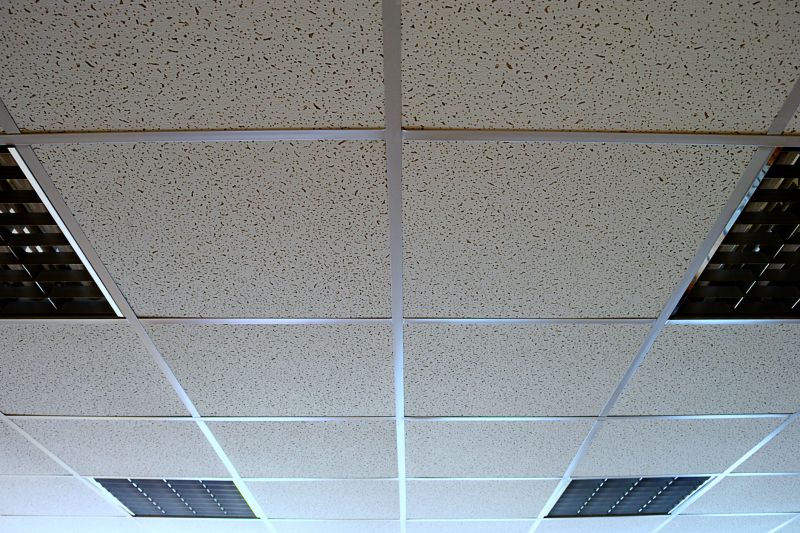


Tile ceiling installation involves attaching durable, aesthetically pleasing tiles to the ceiling surface to improve the look and functionality of a space. This service typically includes preparing the existing ceiling, measuring and planning the layout, and carefully installing the tiles to ensure a smooth, even finish. Contractors may work with various tile materials such as acoustic tiles, decorative tiles, or lightweight panels, depending on the desired appearance and purpose of the ceiling. Proper installation helps create a seamless, professional look that enhances the overall interior design of a room.
Many property owners turn to tile ceiling installation to address common issues such as sagging or stained ceilings, which can detract from the room’s appearance. It also offers an effective way to conceal imperfections, wiring, or plumbing that may be visible on the ceiling. Additionally, tile ceilings can improve sound absorption and reduce noise levels within a space, making them suitable for both residential and commercial properties. This service is often chosen when upgrading or renovating a room to achieve a cleaner, more modern look.
Tile ceilings are frequently used in a variety of property types, including homes, offices, retail stores, and restaurants. Residential properties may feature tile ceilings in kitchens, basements, or home theaters to add a stylish touch or improve acoustics. Commercial spaces, such as retail outlets or office buildings, often incorporate tile ceilings to create a professional appearance while also addressing practical concerns like noise reduction and maintenance. The versatility of tile ceiling installation makes it a popular choice for property owners seeking a durable and attractive ceiling solution.
Property owners who notice issues like water damage, ceiling cracks, or outdated paneling might consider tile ceiling installation as a way to refresh and repair their space. It’s also a practical option for those looking to improve room acoustics or conceal structural elements without extensive remodeling. Local service providers can help evaluate the existing ceiling, recommend suitable tile options, and handle the installation process efficiently. Contacting experienced contractors can ensure the job is completed to a high standard, resulting in a ceiling that enhances the property's overall appearance and functionality.
The overview below groups typical Tile Ceiling Installation projects into broad ranges so you can see how smaller, mid-sized, and larger jobs often compare in your area.
In many markets, a large share of routine jobs stays in the lower and middle ranges, while only a smaller percentage of projects moves into the highest bands when the work is more complex or site conditions are harder than average.
Smaller Repairs - For minor tile ceiling repairs or patchwork, local contractors typically charge between $250 and $600. Many routine jobs fall within this range, depending on the extent of the damage and materials needed.
Standard Installation - Installing new tile ceilings in a room or small area usually costs between $1,000 and $3,000. This range covers most typical projects and varies based on ceiling size and tile type.
Full Ceiling Replacement - Replacing an existing ceiling with new tiles can range from $3,000 to $7,000 or more for larger, more complex spaces. Many projects fall into the middle of this range, with larger jobs reaching higher costs.
Large or Commercial Projects - Extensive ceiling installations or commercial-scale work can exceed $10,000, depending on the size and scope. These projects are less common and tend to push into the highest cost tiers.
Actual totals will depend on details like access to the work area, the scope of the project, and the materials selected, so use these as general starting points rather than exact figures.
Drop Ceiling Installation - local contractors skilled in installing suspended ceilings often have experience with tile ceiling systems, ensuring proper support and finish.
Acoustic Panel Installation - professionals who install acoustic panels work with ceiling surfaces and framing, sharing techniques used in tile ceiling projects.
Interior Wall Paneling - installing wall panels involves planning and precise cutting similar to tile ceiling layout and design considerations.
Ceiling Repair Services - repair specialists often work with ceiling tiles and frameworks, requiring knowledge of tile removal and replacement processes.
Suspended Ceiling System Upgrades - upgrading or replacing existing suspended ceilings involves similar planning, framing, and tile installation skills.
Decorative Ceiling Treatments - applying decorative finishes or specialty ceiling tiles requires expertise in surface preparation and tile handling comparable to ceiling tile installation.
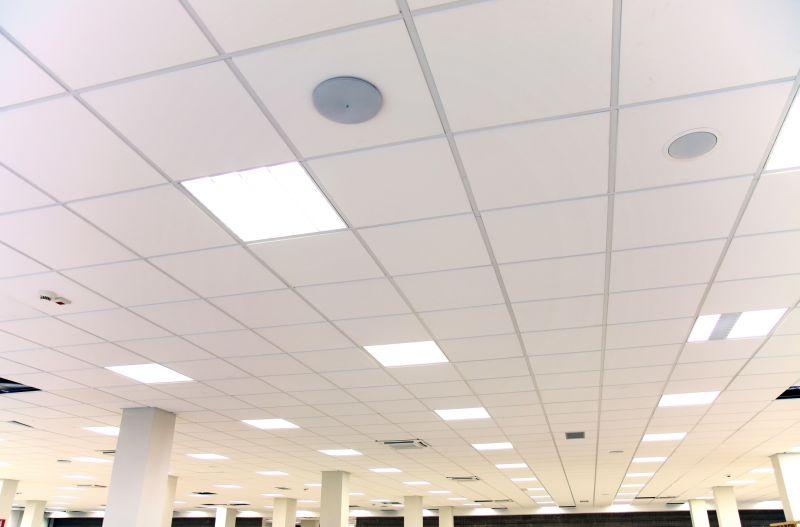
When comparing service providers for tile ceiling installation, it’s important to focus on their experience with similar projects. Homeowners should inquire about how many tile ceiling installations a contractor has completed and whether they have worked on spaces comparable in size and style. A contractor with a proven track record in handling projects like yours can offer insights into what to expect and demonstrate familiarity with the specific techniques and materials involved. This background helps ensure that the chosen professional understands the nuances of ceiling tile installation, leading to a more seamless and satisfactory outcome.
Clear, written expectations are essential when evaluating local contractors. Homeowners should seek detailed estimates that outline the scope of work, materials to be used, and any specific steps involved in the project. Having this information in writing helps prevent misunderstandings and provides a reference point throughout the process. Well-defined expectations also make it easier to compare bids objectively, ensuring that all service providers are offering comparable services and that there are no surprises once work begins.
Reputable references and good communication are key indicators of a reliable service provider. Homeowners are encouraged to ask for references from previous clients who had similar projects completed. Speaking with past customers can reveal insights into the contractor’s professionalism, reliability, and quality of work. Additionally, effective communication-such as prompt responses to questions and clarity in explaining the process-can greatly influence the overall experience. Choosing a local contractor known for transparent and respectful communication can help ensure that the project proceeds smoothly and meets expectations.
Property owners use Tile Ceiling Installation services for practical projects around their homes and businesses. This guide focuses on everyday jobs and straightforward project options.
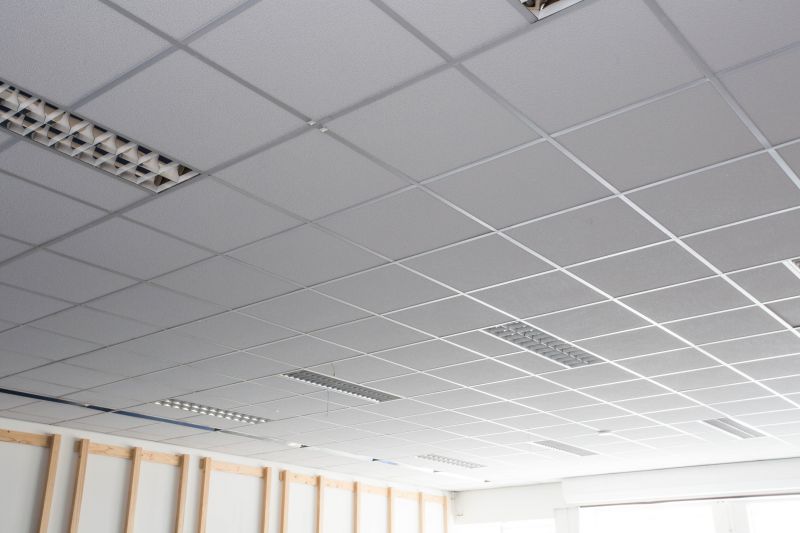
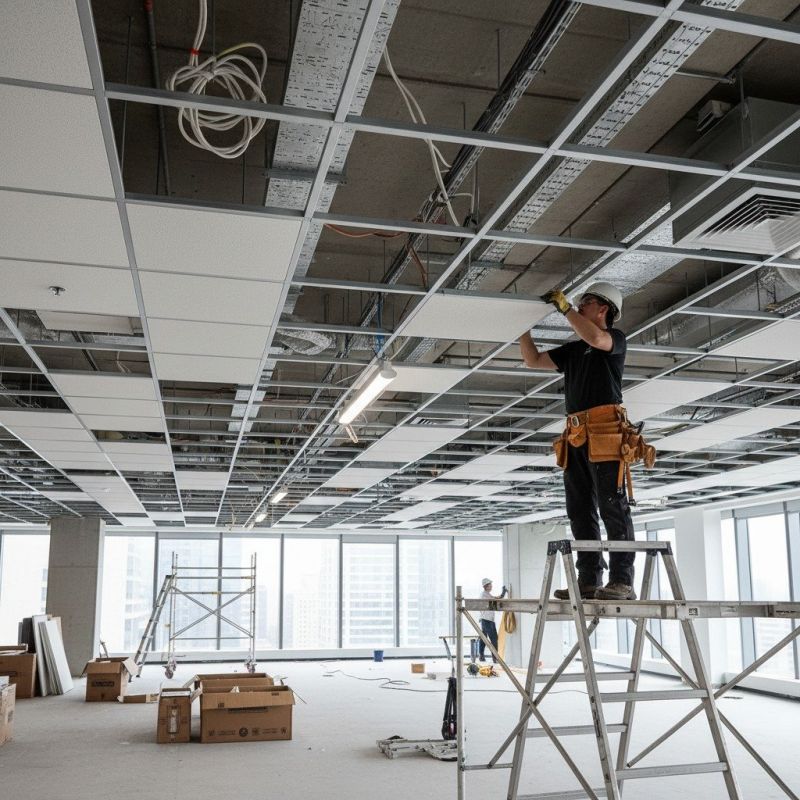
Tile ceiling installation is a common project for property owners looking to update or improve the appearance of interior spaces. Whether replacing outdated or damaged ceiling tiles, enhancing sound absorption, or achieving a specific aesthetic, local contractors can handle these tasks efficiently. Homeowners and business owners often seek professional help when tackling ceiling upgrades during renovations, remodeling, or repairs to ensure a clean, even finish and long-lasting results.
Many property owners consider tile ceiling installation when creating a more polished look for offices, retail spaces, or residential rooms. Issues like water damage, mold, or sagging ceilings can also prompt the need for replacement or new installation. Local service providers are equipped to assist with these projects, providing solutions that fit the style and functional needs of each space. Connecting with experienced contractors can help ensure the work is completed smoothly and to the property owner’s satisfaction.
What are tile ceilings? Tile ceilings are ceiling surfaces made from individual tiles that can be installed to improve aesthetics and acoustics in a space.
What materials are used for tile ceiling installation? Common materials include mineral fiber, metal, foam, and decorative tiles, which are selected based on the desired look and function.
Can tile ceilings be installed in existing rooms? Yes, experienced local contractors can install tile ceilings in existing spaces, often with minimal disruption to the current structure.
Are tile ceilings suitable for all types of rooms? Tile ceilings are versatile and can be used in various rooms, including basements, offices, and kitchens, depending on the chosen tile material.
What are the benefits of installing a tile ceiling? Tile ceilings can enhance interior design, improve acoustics, and provide easy access to space above the ceiling for maintenance or upgrades.
Upgrade a Basement Ceiling - Installing a tile ceiling can improve the appearance and acoustics of a basement space, making it more comfortable for everyday use.
Improve Office or Workshop Areas - Adding tile ceilings in home offices or workshops can create a cleaner look and help with sound control.
Enhance Kitchen or Dining Areas - Tile ceilings can be a practical choice for kitchens, providing a durable and easy-to-maintain surface.
Refurbish a Commercial Space - Business owners may use tile ceiling installation to modernize or update retail or office environments.
If you are thinking about Tile Ceiling Installation for a property, this guide is meant to help you understand the work, the typical project types, and how different options might fit your plans.
When you are ready, you can use the quote form on this page to share a few details about your project. From there, local pros can review the basics and respond with options that match what you have in mind.